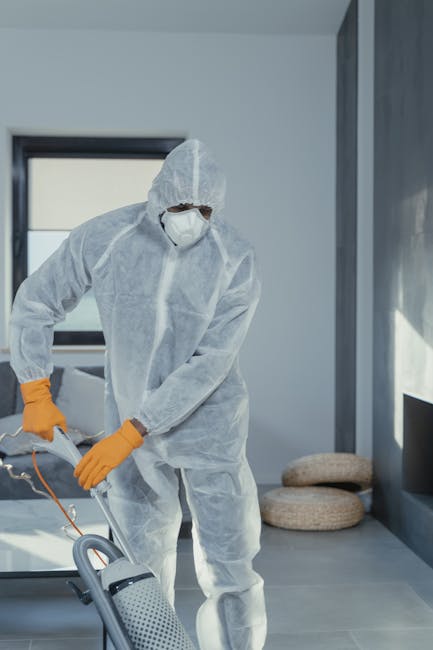
Deep cleaning Tooting Broadway station area homes: a practical local guide for fresher, healthier living
If you live near Tooting Broadway station, you already know the rhythm of the area: busy mornings, full pavements, open-fronted cafes, the odd bit of dust drifting in when the windows are cracked open, and a steady flow of London life outside your door. That all adds character. It also means deep cleaning Tooting Broadway station area homes is not quite the same as a quick weekly tidy. Between daily foot traffic, humid kitchens, shared entrances, compact flats, and the general pace of the neighbourhood, grime builds up in places you stop noticing until one Saturday it suddenly does bother you.
This guide is designed to help you understand what a true deep clean involves, when it makes sense, how it works in practice, and how to avoid the common mistakes that leave a home looking clean but not actually being clean. If you're comparing options, planning a move, or simply trying to get your place back to that crisp, breathable feeling, you're in the right place.
We'll also touch on sensible service choices such as deep cleaning, one-off cleaning, and the more specialised jobs that often go hand in hand with a proper reset, like carpet cleaning, oven cleaning, and upholstery cleaning.
Table of Contents
- Why Deep cleaning Tooting Broadway station area homes Matters
- How Deep cleaning Tooting Broadway station area homes Works
- Key Benefits and Practical Advantages
- Who This Is For and When It Makes Sense
- Step-by-Step Guidance
- Expert Tips for Better Results
- Common Mistakes to Avoid
- Tools, Resources and Recommendations
- Law, Compliance, Standards, or Best Practice
- Options, Methods, or Comparison Table
- Case Study or Real-World Example
- Practical Checklist
- Conclusion
- Frequently Asked Questions
Why Deep cleaning Tooting Broadway station area homes Matters
A deep clean is not just about making a place look presentable for guests. It's about restoring the bits of the home that accumulate hidden build-up: grease on kitchen fittings, dust on skirting boards, soap residue in bathrooms, fingerprints around switches, and that faint stale smell that sometimes lingers even when the place "looks fine". In homes near Tooting Broadway station, the need is often more obvious because everyday grime is joined by London-specific realities: more street dust, more moisture tracked indoors on wet days, and more pressure on high-use rooms.
Let's face it, many people keep on top of the visible stuff and miss the edges, the corners, and the hard-to-reach areas. That's where deep cleaning earns its keep. It helps with comfort, yes, but also with routine maintenance. A cleaner home tends to stay in better condition for longer, and surfaces usually last longer when dirt and residue are removed before they become embedded.
There's also a practical local angle. If you rent in the area, a proper reset before or after a tenancy can make the difference between a stressful handover and a calm one. If you own your home, a deep clean can be the starting point for a more manageable cleaning routine afterwards. And if you share a flat, especially in a busy part of South London, it can be the difference between "everyone means to clean" and "nobody knows whose turn it is". Sound familiar? Thought so.
For many households, the best approach is to combine a broad domestic cleaning service with targeted add-ons where needed, rather than trying to tackle everything with a supermarket spray and a hopeful mood. That approach is usually more efficient and, to be fair, far less annoying.
How Deep cleaning Tooting Broadway station area homes Works
A genuine deep clean follows a more detailed, room-by-room process than regular housekeeping. The aim is to move beyond surface dusting and get into the places that are commonly missed. A good clean will typically start with a walk-through so the cleaner can understand the layout, note problem areas, and identify anything that needs special care, such as delicate finishes, older fixtures, or marks on walls and flooring.
From there, the process often works in layers:
- Declutter first. Items on worktops, floors, and bathroom counters are moved so the actual surfaces can be cleaned properly.
- Dust from top to bottom. Cobwebs, light fixtures, high shelves, tops of doors, and vents are addressed before lower surfaces.
- Degrease and disinfect where appropriate. Kitchens and bathrooms need more than a quick wipe; they need residue removed.
- Detail clean high-touch points. Handles, switches, banisters, taps, remote controls, and appliance fronts can all hold more grime than people expect.
- Tackle floors last. Hard floors, edges, thresholds, and carpets are cleaned after dust has been removed from higher surfaces.
In practice, a deep clean may also include specialist work. For example, if carpets are looking tired, you might choose steam carpet cleaning or standard carpet treatment. If the oven has turned into a small geology project, an oven cleaning add-on makes sense. If sofas, dining chairs, or curtains are absorbing everyday odours, then sofa cleaning, curtain cleaning, or rug cleaning may be the smarter choice.
The key thing is sequencing. Deep cleaning is not random scrubbing. It's methodical. A cleaner who starts at the bottom and moves dust around tends to create more work than they remove. Bit of a waste, really.
Key Benefits and Practical Advantages
The clearest benefit is simple: your home feels properly reset. But the more useful benefits go a little deeper than that.
- Better hygiene in hidden areas. Dust, grease, and residue are removed from spots that daily cleaning often misses.
- Improved air freshness. Homes that collect dust, pet hair, or kitchen odours tend to feel lighter after a deep clean.
- Longer-lasting surfaces. Regular removal of grime can help protect flooring, fittings, and furnishings.
- Less stress around guests, moves, or inspections. A clean home is easier to manage when timing matters.
- More efficient day-to-day cleaning afterwards. Once the base layer of dirt is gone, maintenance becomes noticeably easier.
There's a nice side effect too: when a place is cleaned thoroughly, people often use it differently. You notice the kitchen bench space again. You may stop avoiding the corner by the radiator. The whole home feels more intentional. That can be surprisingly motivating.
For households that deal with pets, children, shared living, or frequent visitors, deeper attention to problem areas also matters. Services such as pet stain odour removal and stain removal can make a real difference where ordinary cleaning products only mask the issue for a day or two.
Who This Is For and When It Makes Sense
Deep cleaning Tooting Broadway station area homes is useful for a lot of people, but it is especially relevant in a few common situations.
- Busy professionals who keep up with basics but need a proper reset now and then.
- Renters preparing for a tenancy change, inspection, or deposit handover.
- Homeowners who want to refresh a property after months of normal wear.
- Families dealing with sticky kitchen surfaces, bathroom build-up, and constant floor traffic.
- Pet owners managing hair, smells, and marks on upholstery or rugs.
- People moving in or out who need a more complete clean before unpacking or after moving furniture.
- Landlords and property managers who want a space to feel properly cared for between occupants.
It also makes sense after certain kinds of work or disruption. If you've had decorating, repairs, or flat improvements, then an after builders cleaning service can remove the fine dust and residue that seems to get into every gap. If a property has been empty for a while, or you're preparing to hand over keys, move in cleaning and move out cleaning are often the most sensible options.
And if you're still trying to decide between a one-off deep clean and something more regular, ask yourself one question: do you need a full reset, or do you need help staying on top of things? That answer usually points you in the right direction.
Step-by-Step Guidance
If you want a deeper clean that actually lasts, a bit of preparation goes a long way. Here's a practical route that works well in most homes near Tooting Broadway.
- Start with a clear plan. Pick the rooms that need the most attention first. Kitchen and bathroom are usually top of the list, with bedrooms, hallway, and living areas following behind.
- Remove clutter. Put away loose items so shelves, floors, and worktops can be reached without constant stopping and starting.
- Separate specialist tasks. Decide whether carpets, mattresses, upholstery, floors, or windows need extra treatment. You don't want to discover this halfway through when the cleaner is already elbow-deep in the job.
- Work room by room. Finish one space before moving to the next. That keeps the job manageable and avoids a half-cleaned home that feels more chaotic than before.
- Use the right order. Dust high surfaces first, then cupboards, then fixtures, then floors. Bathrooms and kitchens usually need the most attention to detail.
- Check problem spots. Look at limescale, grease, skirting boards, behind bins, around taps, under radiators, and along window frames.
- Finish with an inspection. Walk through the space in natural daylight if you can. Morning light near a window is unforgiving, but useful. It shows what still needs attention.
When the job includes a lot of fabric care, you may want to combine the clean with mattress cleaning or upholstery cleaning. These are especially worthwhile if the home has been lived in heavily or if allergies are a concern.
Expert summary: the best deep cleans are not the most dramatic ones; they're the ones that are structured, thorough, and matched to the actual condition of the home.
Expert Tips for Better Results
There are a few small decisions that make a surprisingly big difference.
1. Don't clean around the dirt. If an item is movable, move it. Cleaning the visible edge of a shelf while leaving the dust line underneath is a classic time-waster.
2. Use dwell time for stubborn grime. In kitchens and bathrooms, cleaning products often need a moment to loosen residue. Wipe too quickly and you just smear the mess around. Nobody wants that, obviously.
3. Treat fabrics as separate from hard surfaces. Sofas, rugs, and curtains need different methods from tiles or wood. A one-size-fits-all approach can damage the material or leave moisture behind.
4. Pay attention to the "smell layer". Homes can look clean but still smell musty, greasy, or stale. Odour often lives in soft furnishings, bins, drains, or old residue on floors and kitchen surfaces.
5. Focus on touchpoints. Handles, taps, light switches, and banisters get touched all day. They need proper attention if the result is meant to feel genuinely fresh.
6. Think seasonally. In damp weather, dust and moisture settle differently. In warm months, windows are open more often and outdoor dust can creep in. A deep clean timed before a busy season often holds up better.
If you are managing a larger home or shared property, it can also help to pair deep cleaning with regular cleaning after the initial reset. That way, the big job doesn't unravel after two weeks. Happens all the time, sadly.
Common Mistakes to Avoid
Deep cleaning gets much easier once you know what tends to go wrong.
- Only cleaning what's visible. Skirting boards, behind appliances, and tops of cupboards matter too.
- Using too much product. More cleaner does not automatically mean better results. Often it just leaves residue behind.
- Mixing the wrong methods. Steam, chemicals, and water all have their place, but not always on the same surface.
- Ignoring soft furnishings. Carpets, upholstery, and curtains can hold dust and odours long after hard surfaces look fine.
- Rushing the kitchens and bathrooms. These rooms need patience because grease and limescale do not leave politely.
- Forgetting ventilation. Fresh air helps surfaces dry and reduces that heavy post-clean dampness.
A quieter mistake is setting the wrong expectation. A deep clean is thorough, but it is not the same as renovation. If paint is damaged, grout is stained permanently, or a surface is worn, cleaning can improve the appearance but not reverse age. That distinction matters.
If floors are especially marked, explore hard floor cleaning. For carpets or stubborn stains, specialist treatment is often more effective than generic vacuuming and cross-your-fingers optimism.
Tools, Resources and Recommendations
You do not need a huge kit to deep clean well, but you do need the right category of tools. A few sensible items go a long way.
- Microfibre cloths for dusting and wiping without spreading debris around.
- Soft brushes for corners, vents, and fixtures.
- Degreasing cleaner for kitchen surfaces and extractor areas.
- Bathroom cleaner suitable for taps, tiles, and limescale.
- Vacuum with attachments for upholstery, edges, and narrow gaps.
- Mop and bucket system for hard floors, especially when you need to clean more than one room.
- Protective gloves if you're handling stronger products or doing longer sessions.
That said, the tools only matter if they're used in the right way. A decent cloth used methodically will often outperform a cupboard full of products. True enough.
For homes where windows are full of road dust or kitchen condensation, window cleaning can make an immediate difference to how the whole room feels. If you've got a patio or ground-floor outdoor area that tracks dirt inside, patio cleaning can help reduce how much debris is carried back into the home.
If you want to understand service standards before booking, it's sensible to review a provider's health and safety policy, insurance and safety information, and recycling and sustainability approach. Those pages give useful context on how a company handles risk, materials, and waste.
Law, Compliance, Standards, or Best Practice
For household cleaning, there usually isn't a complex legal framework to worry about in the way there would be for construction or regulated trades. Still, good practice matters. If a cleaning service is working in someone's home, it should take reasonable care with surfaces, products, access, and safety. That includes being clear about what is included, what might cost extra, and what cannot be guaranteed.
In the UK, it is normal to expect fair treatment, transparent terms, and careful handling of personal property. If a cleaner or company is operating professionally, they should also have sensible policies around payment, privacy, complaints, and insurance. You can usually judge a lot by how clearly those things are explained. If it's all vague, that's a little red flag waving quietly in the corner.
For rented homes, deep cleaning is often tied to handover expectations rather than a legal rule that says every surface must be spotless. In practice, the standard is usually about returning the property in a condition consistent with the agreement and the level of cleanliness expected at check-out or move-in. That's why services such as end of tenancy cleaning are so commonly used.
It can also help to review a provider's terms and conditions, payment and security information, and privacy policy. Those are not thrilling reading, admittedly, but they do help set expectations and reduce misunderstandings later.
Options, Methods, or Comparison Table
Different homes need different approaches. Here's a straightforward comparison to help you choose.
| Option | Best for | Typical strengths | Limitations |
|---|---|---|---|
| Regular cleaning | Weekly or fortnightly upkeep | Keeps visible dirt under control, maintains standards | Usually not enough for heavy build-up |
| One-off deep clean | Seasonal refresh, overdue homes, busy households | Targets grime, corners, and neglected areas | Does not solve ongoing maintenance by itself |
| Move in / move out cleaning | Property handovers | Focuses on practical readiness for new occupants | May need extras for carpets or upholstery |
| Specialist add-ons | Stains, soft furnishings, appliances, floors | Deals with problem areas more effectively | Best used as part of a wider clean |
In many Tooting Broadway flats, the best result comes from combining methods. For example, a one-off deep clean plus carpet treatment and oven cleaning is often far better than trying to make a single general clean do everything. The right mix depends on the home, the budget, and how long the property has gone without proper attention.
Case Study or Real-World Example
Here's a realistic example. A couple in a two-bedroom flat a short walk from the station had kept on top of laundry and surfaces, but the home had developed a dull kitchen smell, dusty skirting boards, and a living room rug that no longer looked especially inviting. Nothing dramatic. Just one of those homes that starts to feel a bit tired, especially on a grey afternoon when the light shows every speck.
They booked a deep clean with a few extras. The kitchen received detailed degreasing and oven cleaning, the living room rug was treated with rug cleaning, and the sofa got attention through sofa cleaning. The bathroom was descaled properly, and the windows were cleaned so the room didn't feel dim anymore.
The big change wasn't just visual. The place felt easier to live in. The air seemed less heavy, the kitchen was more pleasant to use, and the whole flat looked like it had been given breathing room. That is often the real point of a deep clean. Not perfection. Just relief, and a bit of reset.
Practical takeaway: if your home feels "almost clean" but not quite comfortable, that's usually the signal that a deep clean will add real value.
Practical Checklist
Use this checklist before or during a deep clean so nothing obvious gets missed.
- Declutter worktops, floors, and bathroom counters
- Dust high surfaces, shelves, tops of doors, and light fittings
- Clean skirting boards, edges, and corners
- Degrease kitchen splashbacks and cupboard fronts
- Clean inside and around the oven, hob, and extractor area
- Descale taps, shower screens, and bathroom fittings
- Wipe switches, handles, and bannisters
- Vacuum upholstery, rugs, and under furniture
- Mop hard floors with an appropriate cleaner
- Open windows briefly to help with drying and freshness
- Check for odours, stains, and hidden spots after the main clean
- Decide whether you need specialist help for carpets, mattresses, or upholstery
If you're planning a larger clear-out before cleaning, house clearance may be worth considering first. It is much easier to clean properly once unnecessary items are gone. That sounds obvious, but it gets overlooked more often than you'd think.
Conclusion
Deep cleaning Tooting Broadway station area homes is really about bringing a property back to a standard that feels calm, healthy, and manageable. In a busy part of London, where dust, moisture, foot traffic, and everyday life all seem to arrive together, a surface-level tidy only goes so far. A thoughtful deep clean gets into the detail, tackles the hidden build-up, and gives you a home that feels properly looked after again.
Whether you're preparing for a move, recovering from a busy season, or simply tired of the same lingering marks and smells, the best results come from a methodical approach and a realistic plan. Start with the problem areas, use the right methods, and don't be shy about bringing in specialist help where it genuinely saves time and improves the finish.
If you're comparing services or planning your next reset, a good starting point is to look at pricing and quotes so you can match the clean to your home and your priorities. And if you want to understand the people behind the service, about us is a useful place to begin.
Get a free quote today and see how much you can save.
And if all you do after reading this is book the job, clear the clutter, and let someone else wrestle the oven grease for once, honestly, that's a very sensible win.
Frequently Asked Questions
What does deep cleaning include in a home near Tooting Broadway station?
It usually covers detailed cleaning of kitchens, bathrooms, floors, skirting boards, fixtures, high-touch points, and other areas that regular cleaning often misses. Depending on the property, it may also include specialist tasks such as carpet, upholstery, or oven cleaning.
How often should I book deep cleaning for my home?
That depends on how the home is used. Many people book a deep clean a few times a year, while busy households, shared flats, or homes with pets may benefit from it more often. If you're doing regular upkeep well, you may only need a one-off reset now and then.
Is deep cleaning worth it for a small flat?
Yes, often more so. Smaller homes can gather clutter and grime quickly because the same surfaces get used constantly. A thorough clean can make a compact flat feel much more comfortable and much easier to maintain.
What is the difference between deep cleaning and regular cleaning?
Regular cleaning keeps day-to-day mess under control. Deep cleaning goes further and targets built-up dirt, hidden areas, and tougher grime. It is slower, more detailed, and usually more restorative.
Can deep cleaning help with odours?
Yes, especially when the smell is coming from carpets, upholstery, bins, drains, or greasy kitchen residue. If odours are tied to pets or soft furnishings, specialist services like pet stain odour removal or upholstery cleaning can help more than a general wipe-down.
Do I need to move furniture before a deep clean?
It helps, but not every item needs to be moved by you. A good plan is to clear smaller clutter first so the cleaner can access the surfaces properly. For larger furniture, ask in advance what is realistic and safe to move.
Is steam cleaning safe for carpets in homes?
Steam cleaning is commonly used on suitable carpets, but it depends on the fibre type, backing, and condition. The right approach matters. Not every carpet is a good candidate, so it's worth checking before starting.
What should I do before a deep cleaner arrives?
Remove personal items, clear walkways, put away valuables, and make a list of your priority areas. If there are stains, fragile surfaces, or problem spots, point them out early. That saves time and improves the result.
Can deep cleaning be combined with move in or move out cleaning?
Absolutely, and it often makes sense to do so. Move in and move out cleaning overlap heavily with deep cleaning, especially when the property has been lived in for a while or is being prepared for new occupants.
How do I know if I need professional help rather than doing it myself?
If the home has heavy build-up, limited time, stubborn stains, or awkward areas like high cupboards, ovens, carpets, and upholstery, professional help can be a lot more efficient. It also makes sense if you want a higher standard without spending a full weekend wrestling with it.
Are there any policies I should check before booking a cleaner?
Yes. It's wise to look at health and safety, insurance, payment and security, privacy, and terms and conditions. These details help you understand what to expect and show whether the provider is organised and transparent.
What if my home needs more than just a clean?
If there's clutter, unwanted furniture, or a property that needs clearing before cleaning can even begin, house clearance may be the more useful first step. Once the space is open and accessible, the clean will be far more effective.
If you're ready to take the next step, choose the level of clean that fits your home rather than trying to force everything into one appointment. That's usually how you get the best result, and the least stress too.